crewcottageflicki.click
LAT 51°N — 66°N ATLANTIC BASALT ZONE

READ THE NORTH ATLANTIC BY WILDLIFE.

A systematic field guide to coastal seabird breeding ledges, pelagic migration choke-points, and tidal feeding fronts across cold-water Atlantic margins. Built for precise observation and non-intrusive coastal field logging.

SECTOR NORTHEAST ATLANTIC
TARGET TAXA ALCIDAE • PROCELLARIIDAE
FIELD REGIME NON-DISTURBANCE
Storm swells breaking against sheer basalt sea cliffs in the North Atlantic ocean

METHODOLOGY

OBSERVATION SEQUENCE

Five structured stages for ethical and productive coastal seabird viewing in exposed marine environments.

01

LOCATE

Identify established geological headlands, public viewing promontories, and safe cliff perimeters. Confirm access routes before departure.

02

CHECK

Inspect wind velocity, sea swell, tidal state, and cliff-edge structural stability. Maintain standard safety distances from unfenced turf margins.

03

OBSERVE

Deploy tripod-mounted spotting optics. Keep viewing positions stationary to prevent flushing ground-nesting or cliff-ledge species.

04

RECORD

Log local coordinates, weather conditions, behavioural phases, and plumage indicators without lingering beyond necessary viewing windows.

05

MOVE ON

Vacate the vantage point along marked routes. Leave nesting sites undisturbed and free of discarded equipment, food debris, or trampled flora.

FIELD VOLUMES

NORTH ATLANTIC FIELD MODULES

Comprehensive operational briefs for regional observation, habitat navigation, and species-specific vantage points.

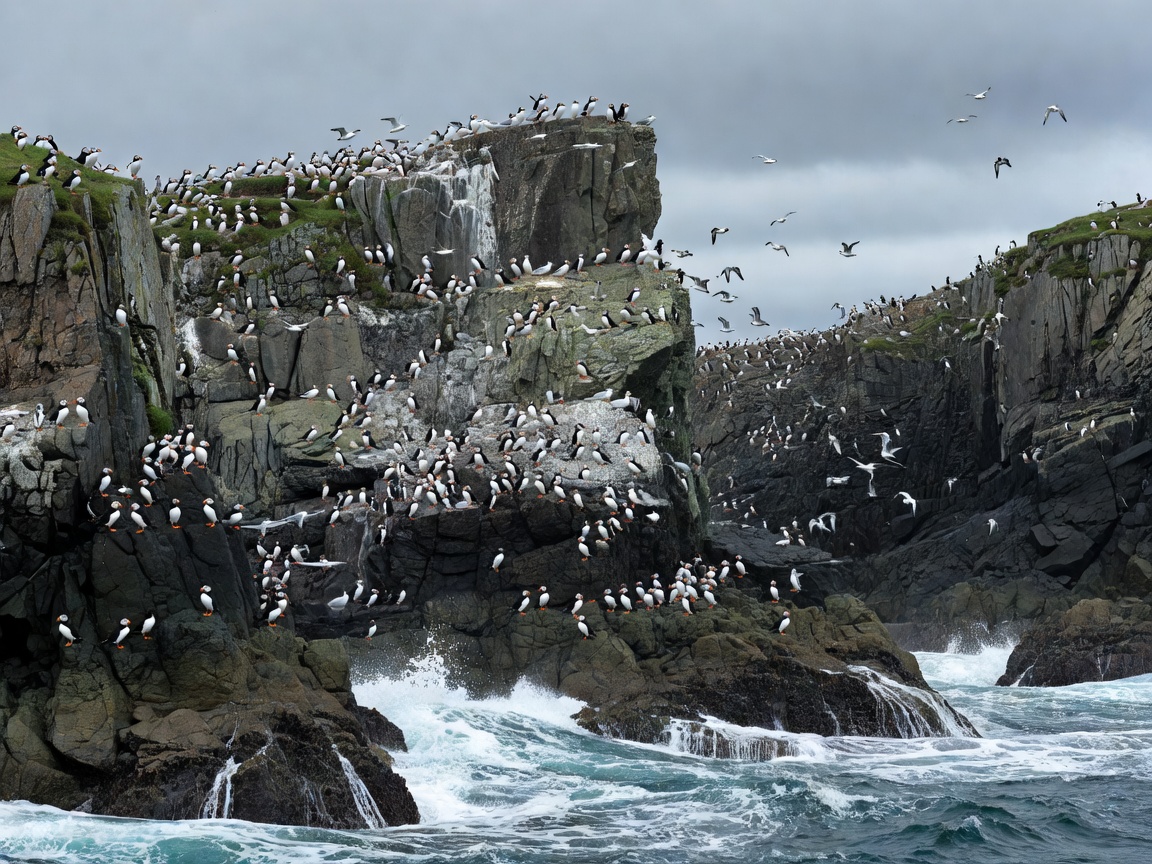
Exposed high-latitude sea cliffs populated by breeding pelagic seabird colonies
01 • REGIONAL HABITATS

North Atlantic Seabird Locations

Survey basalt precipices, isolated sea stacks, and offshore archipelago waters from Norway and the Faroe Islands to the Hebrides and maritime Canada. Examines colony topography, seasonal occupation windows, and maritime exposure gradients.

Basalt Cliffs Sea Stacks Breeding Ledges Sub-Arctic
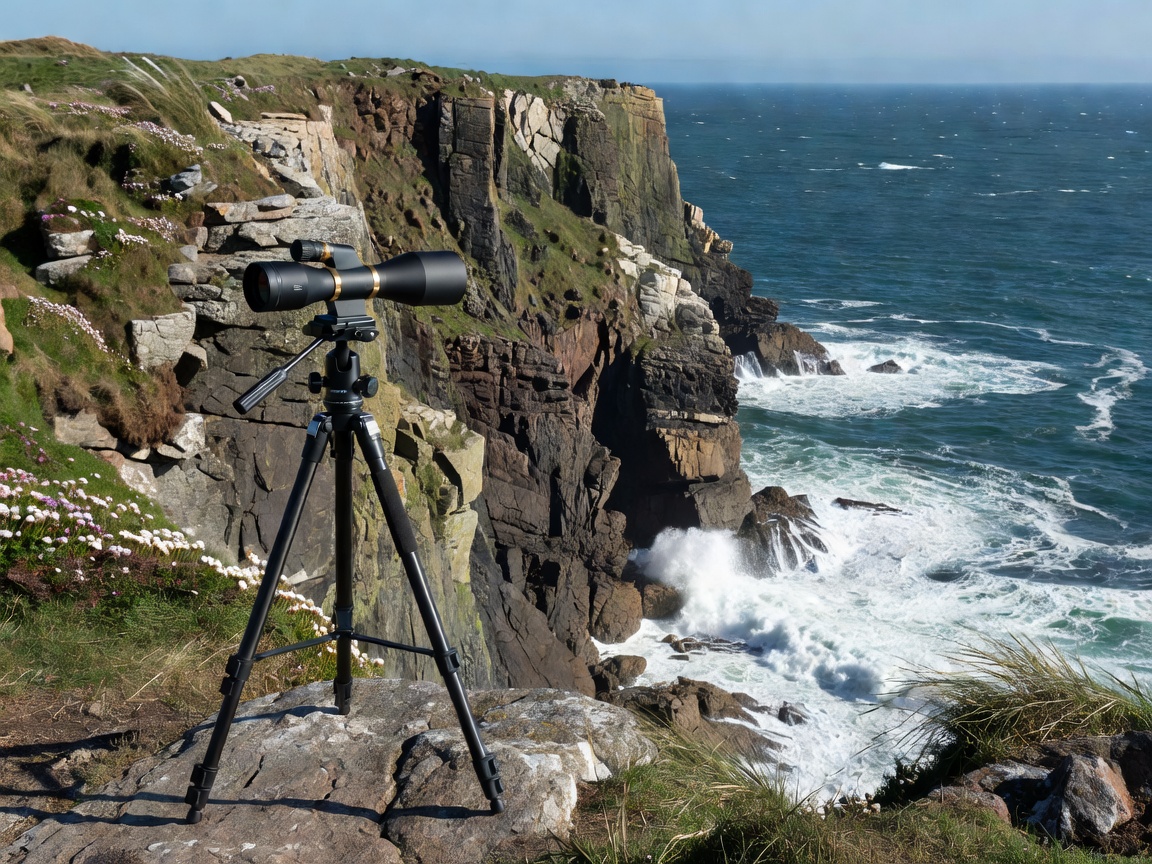
Spotting scope positioned securely inland from a sheer coastal cliff drop
02 • SAFETY & FIELD PROTOCOLS

Cliff Birdwatching Guide

Precise operational protocols for viewing alcids, kittiwakes, and fulmars from high vertical terrain. Outlines optical setup choices, wind shear management, stable turf setback thresholds, and ethical colony disturbance boundaries.

Edge Safety Spotting Scopes Wind Dynamics Colony Integrity
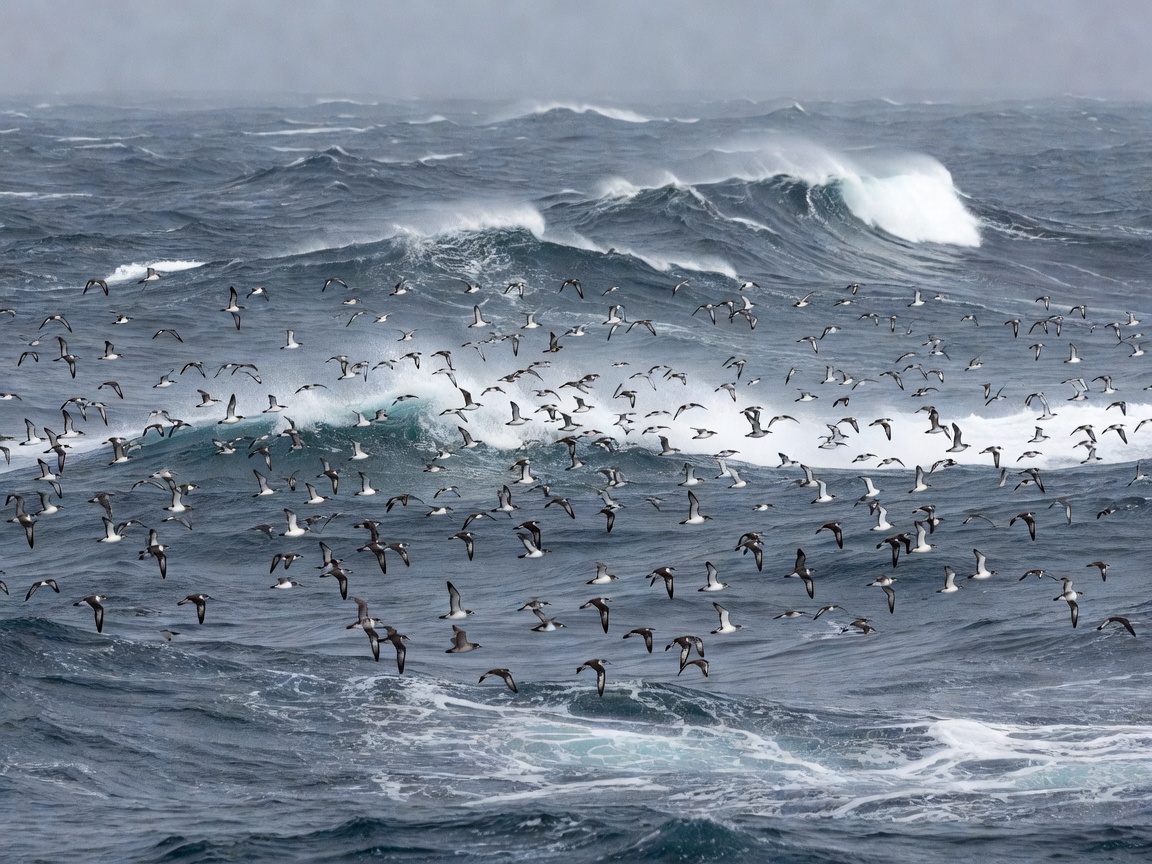
Flock of shearwaters skimming over rolling cold Atlantic ocean waves
03 • MIGRATION & MOVEMENTS

North Atlantic Migration Routes

Mapping annual trans-equatorial and sub-polar movements of shearwaters, skuas, terns, and petrels. Explains seasonal headland passage patterns, oceanic cyclonic wind-assist paths, and observation timing during autumn gales.

Pelagic Transits Headland Seawatching Barometric Timing Flyways
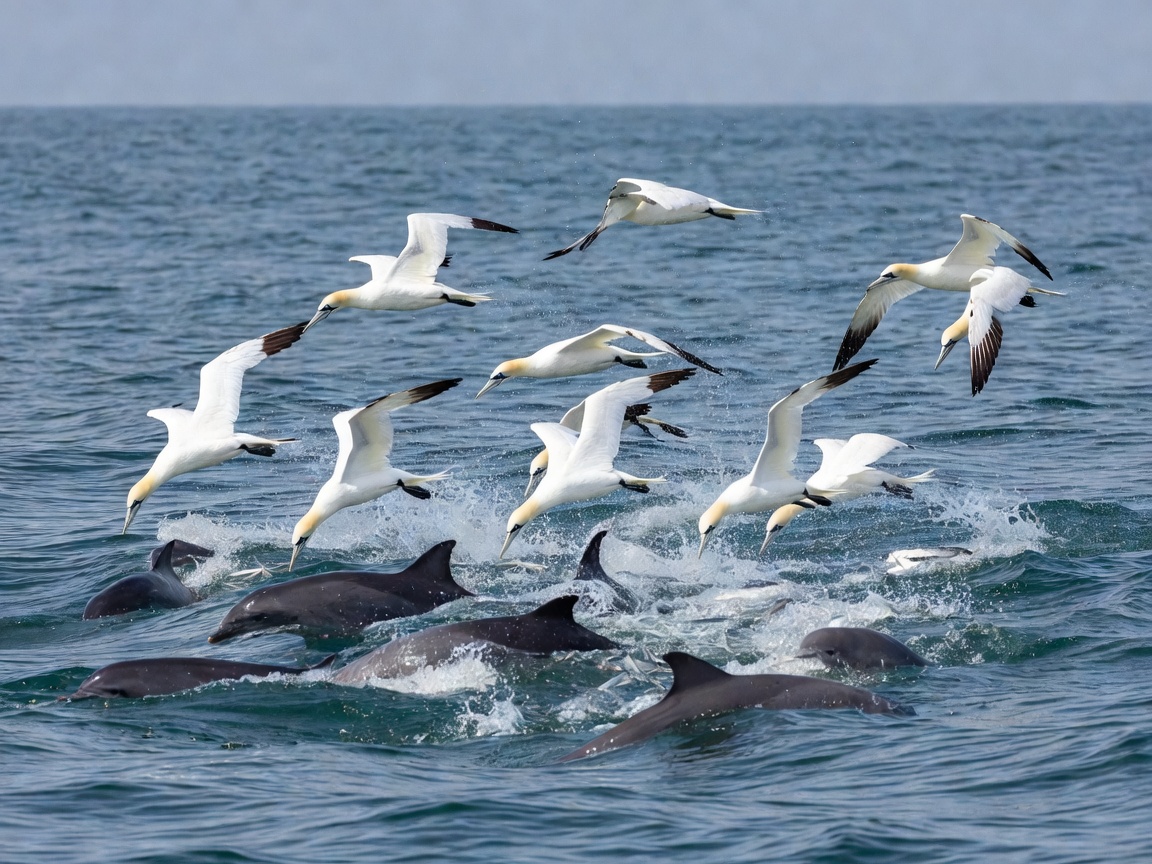
Gannets plunge-diving near surface-feeding marine mammals in open coastal water
04 • MULTI-SPECIES INTERACTIONS

Marine Wildlife Observation

Coordinating seabird feeding activity with marine mammal encounters. Learn to read diving gannet flocks and petrel rafts as bio-indicators of baitfish shoals, minke whales, harbour porpoises, and grey seal haul-outs along nearshore fronts.

Feeding Frenzies Cetaceans Boat Operations Tidal Fronts
Field compass, waterproof ordnance survey map, and marine optics on weathered slate
05 • EXPEDITION LOGISTICS

Birdwatching Trip Planning

Systematic expedition preparation for isolated sub-Arctic and coastal sectors. Detailed gear selection, marine weather assessment, tidal schedule interpretation, emergency contingencies, and rural land-access compliance.

Route Staging Optics Waterproofing Tidal Charts Safety Equipment
05 Key Field Zones

High-cliff breeding ledges, sheltered oceanic sounds, exposed offshore skerries, littoral beaches, and open pelagic shelf breaks.

30m+ Buffer Threshold

Standard minimum distance from active burrow openings and ledge breeding clusters to preserve natural feeding rhythms.

100% Leave No Trace

Zero physical footprint across sensitive maritime turf, fragile scree slopes, and rare alpine-coastal moss communities.